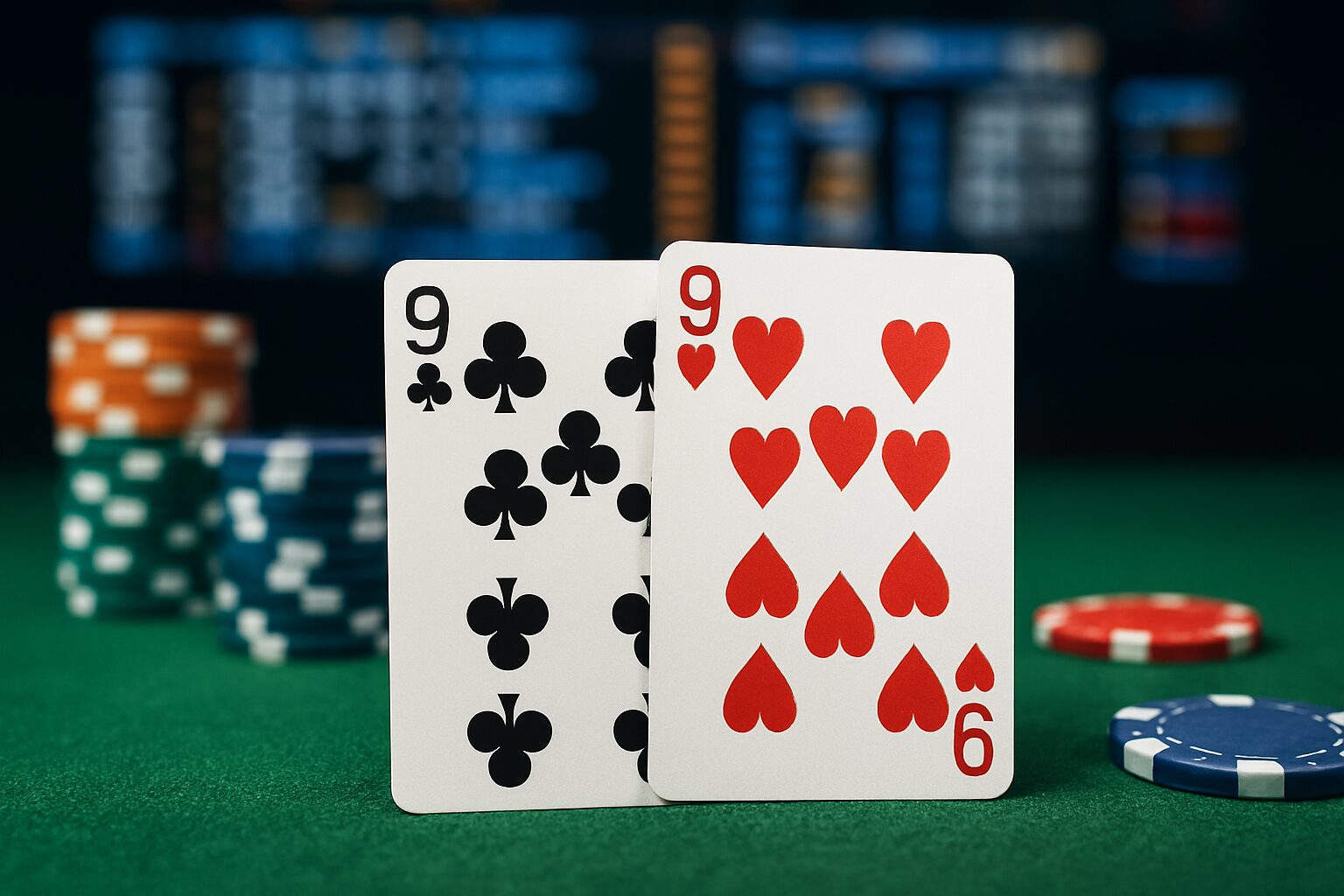
Baccarat has quietly become one of the most played card games in both land-based and online casinos worldwide. Once reserved for high-rollers in velvet-roped rooms, the game has since opened its doors to everyday players—and for good reason. Its structure is refreshingly simple, its rules take minutes to learn, and the house edge is among the lowest of any casino game available today. For anyone stepping into the world of casino gaming, sexybaccarat offers one of the most welcoming entry points imaginable, combining elegance with accessibility in a way that few other games can match. This article breaks down the core features that make baccarat an ideal choice for beginners, supported by data and answered through the questions most new players tend to ask.
What Makes Baccarat Easier to Learn Than Most Casino Games?
Unlike poker, which demands an understanding of hand rankings, bluffing strategy, and opponent psychology, baccarat operates on a fixed set of rules that the dealer manages entirely. Players do not make decisions mid-round. They simply choose one of three betting options before the cards are dealt: the Player hand, the Banker hand, or a Tie.
That’s it.
Once a bet is placed, the game proceeds automatically according to a predetermined drawing rule called the “third card rule.” No memorization is required from the player. The dealer calculates totals and draws cards based on fixed conditions. This removes the pressure that often discourages beginners in other card games.
According to casino industry data, baccarat accounts for roughly 9% of table game revenue in major gaming markets outside of Asia—and in Macau, it generates upward of 80% of total casino revenue. These numbers reflect not just the game’s profitability, but its massive and growing player base. People are clearly comfortable with it.
How Does the Simple Scoring System Benefit New Players?
Baccarat uses a unique scoring method that strips away complexity. Cards 2 through 9 carry face value. Aces count as one. Tens and face cards (Jack, Queen, King) are worth zero.
When a hand’s total exceeds nine, only the second digit counts. So a hand totaling 15 is actually worth 5. A hand totaling 13 is worth 3. This single rule is the only mathematical concept a beginner needs to understand—and most players grasp it within a few minutes of play.
This approach eliminates the complicated point structures found in games like blackjack, where soft hands, splits, and doubles require additional strategy knowledge. Baccarat simply rewards presence over preparation.
What Are the Odds, and Why Do They Favor Beginners?
One of the most compelling features for new players is baccarat’s low house edge. Consider these figures:
Banker bet house edge: approximately 1.06%
Player bet house edge: approximately 1.24%
Tie bet house edge: approximately 14.4%
For context, the average slot machine carries a house edge of 2% to 15%, depending on the game. Roulette sits at around 2.7% for European versions and 5.26% for American. Baccarat’s Banker bet is statistically one of the best wagers a player can make in any casino environment.
The advice for beginners is consistent across the industry: avoid the Tie bet, lean toward the Banker, and expect a modest 5% commission taken by the casino on winning Banker bets (a standard practice that still leaves the edge well in the player’s favor).
Why Is Baccarat Considered a Low-Stress Game for Beginners?
Stress in casino games often comes from decision-making under pressure. Blackjack players worry about hitting or standing at the wrong moment. Poker players second-guess every move. Baccarat removes that burden entirely.
Once the bet is placed, the player’s role is passive. There are no choices to make, no strategies to execute in real time, and no mistakes to regret. This passivity is a feature, not a flaw. It allows beginners to focus on understanding the game’s rhythm, watching the cards, and building confidence without the fear of costly errors.
Studies in behavioral economics suggest that decision fatigue significantly reduces enjoyment in games of skill. Baccarat sidesteps this issue entirely, making it a naturally enjoyable experience from the very first session.
How Do Different Baccarat Variants Help Beginners Find Their Comfort Zone?
The game comes in several formats, and each serves a different type of beginner:
Mini Baccarat is the most beginner-friendly variant. Tables are smaller, bet minimums are lower, and the game moves at a comfortable pace. Most online casinos feature this format as the default.
Live Dealer Baccarat replicates the feel of a physical casino through a video stream hosted by a real dealer. For beginners who want the social experience without leaving home, this format provides authenticity and interaction without intimidation.
Speed Baccarat compresses round times to around 27 seconds per hand, appealing to players who prefer quick sessions once they’ve mastered the basics.
The variety allows new players to graduate naturally from low-stakes digital tables to more immersive formats as their comfort grows.
Frequently Asked Questions About Baccarat for Beginners
Is baccarat purely based on luck, or does strategy play a role?
Baccarat outcomes are determined by fixed rules and card randomness. No skill influences the result after a bet is placed. However, strategic betting—such as consistently wagering on the Banker due to its lower house edge—can improve long-term results. Money management and understanding bet types are the closest things to strategy available in baccarat.
How much money do I need to start playing baccarat?
Many online platforms offer baccarat tables with minimum bets starting as low as $1. Land-based casinos vary widely, with some mini baccarat tables starting at $5 to $10. The game’s range of bet minimums makes it accessible for virtually any budget.
How long does a typical baccarat session last?
A standard round of baccarat takes roughly one to two minutes from bet placement to result. A session’s length depends entirely on the player. Many beginners start with short 15- to 30-minute sessions to get comfortable with the pace and structure.
Can I practice baccarat for free before playing with real money?
Most online casinos offer demo or free-play versions of baccarat. These practice modes allow beginners to understand the game flow, observe the third card rule in action, and test betting patterns without any financial risk. Starting with free play is strongly recommended for first-time players.
What is the third card rule, and do I need to understand it as a player?
The third card rule governs when a third card is dealt to the Player or Banker hand. The dealer applies this rule automatically based on the hand totals. As a player, you are not required to know or execute this rule—it happens independently of your decisions. That said, understanding it can deepen your appreciation of the game’s structure.
A Final Word on Why Baccarat Works So Well for New Players
Baccarat’s endurance is no accident. For centuries, the game has attracted players because of what it strips away: the complexity, the steep learning curve, and the pressure that makes other casino games feel inaccessible. What remains is a clean, elegant experience built on simple rules, favorable odds, and genuine excitement.
The data supports what experienced players already know. The house edge is low, the learning curve is short, and the variety of available formats gives every beginner a natural place to start. Whether the appeal is the atmosphere, the statistics, or simply the desire to play something easy and enjoyable, baccarat consistently delivers.
For anyone exploring casino games for the first time, few options offer the same combination of simplicity, strategy, and reward potential. The cards are dealt fairly. The rules are transparent. The rest is up to chance—and that’s precisely the point.